
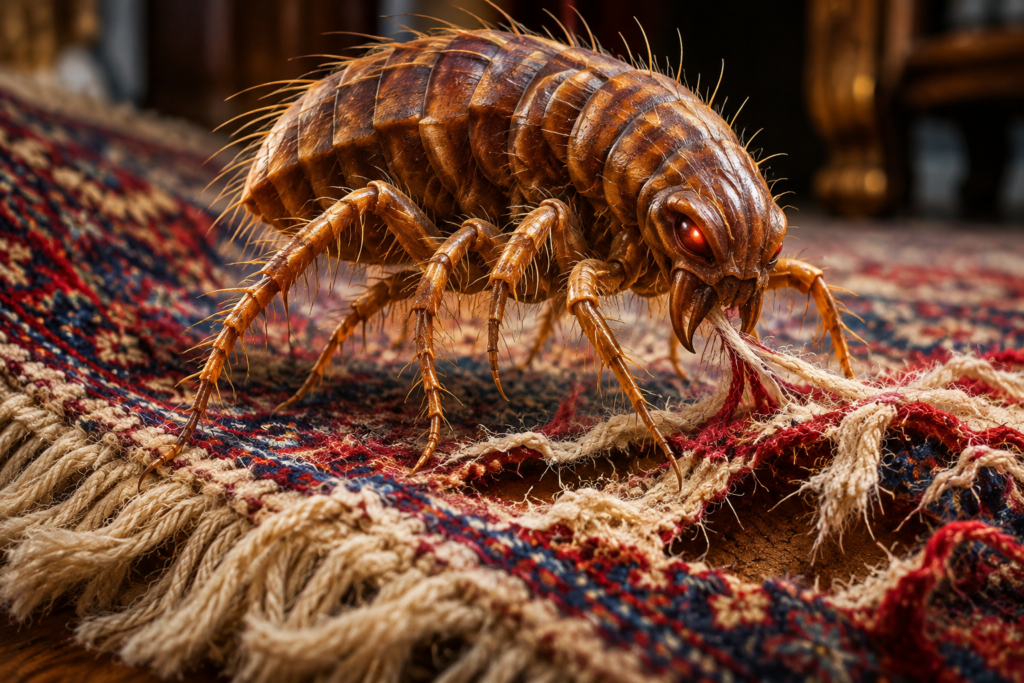
A Consumer Protection & Carpet Care Guide by Premium Persian Carpets
A carpet may look beautiful, feel soft and appear to be an incredible bargain. But what if the real danger is hidden beneath its surface?
Some carpets—particularly those that have been stored for long periods, handled without proper care or previously infested—may carry textile pests or evidence of past insect activity into a home. Certain pests can damage wool and other animal fibres, and an established infestation may spread to other susceptible belongings.
The risk is not determined by price alone. An inexpensive carpet is not automatically infested, and an expensive carpet is not automatically pest-free. The important questions are how the carpet was stored, whether it has been inspected, what condition it is in and whether signs of pests have been overlooked.
1. The hidden problem: what can live in a carpet?
Natural-fibre carpets made with wool, fur or other animal-derived materials can provide food for certain textile pests. The damaging stages are usually the larvae—not the adult insects. Eggs and larvae can be difficult to spot when they are tucked into folds, edges, the reverse of a rug or undisturbed areas beneath furniture.
A suspect carpet may show live larvae, shed larval skins, silk webbing, feeding marks or other debris. However, a carpet can also be infested without obvious signs on a quick visual check. A careful inspection of both sides and the surrounding storage area is therefore important.
2. Carpet beetles: small insects that can damage valuable textiles
Carpet beetles belong to the family Dermestidae. Several species are associated with damage to carpets, clothing, upholstery, fur, feathers and other animal-derived materials. Their larvae feed on susceptible fibres, often in dark, undisturbed locations.
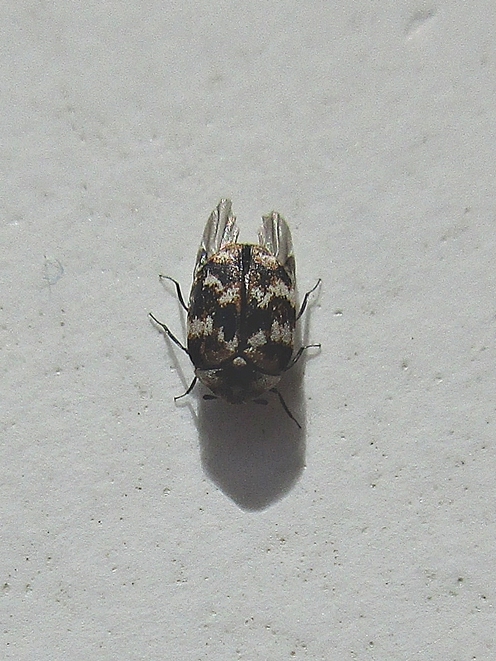

Important carpet beetle species
Varied carpet beetle — Anthrenus verbasci: A small, rounded beetle with a mottled pattern. Its hairy, banded larvae can feed on wool, fur, feathers and other suitable animal materials.
Furniture carpet beetle — Anthrenus flavipes: A related species whose larvae can infest carpets, upholstery and other susceptible materials.
Black carpet beetle — Attagenus unicolor: The adult is dark and oval; the larva is elongated and tapers towards a tuft of hairs at the rear. Its importance as a fabric pest varies by region and available food sources.
Two-spotted carpet beetle — Attagenus pellio: A dark adult beetle with two pale spots on its wing cases. Its larvae may feed on wool and other animal-derived materials.
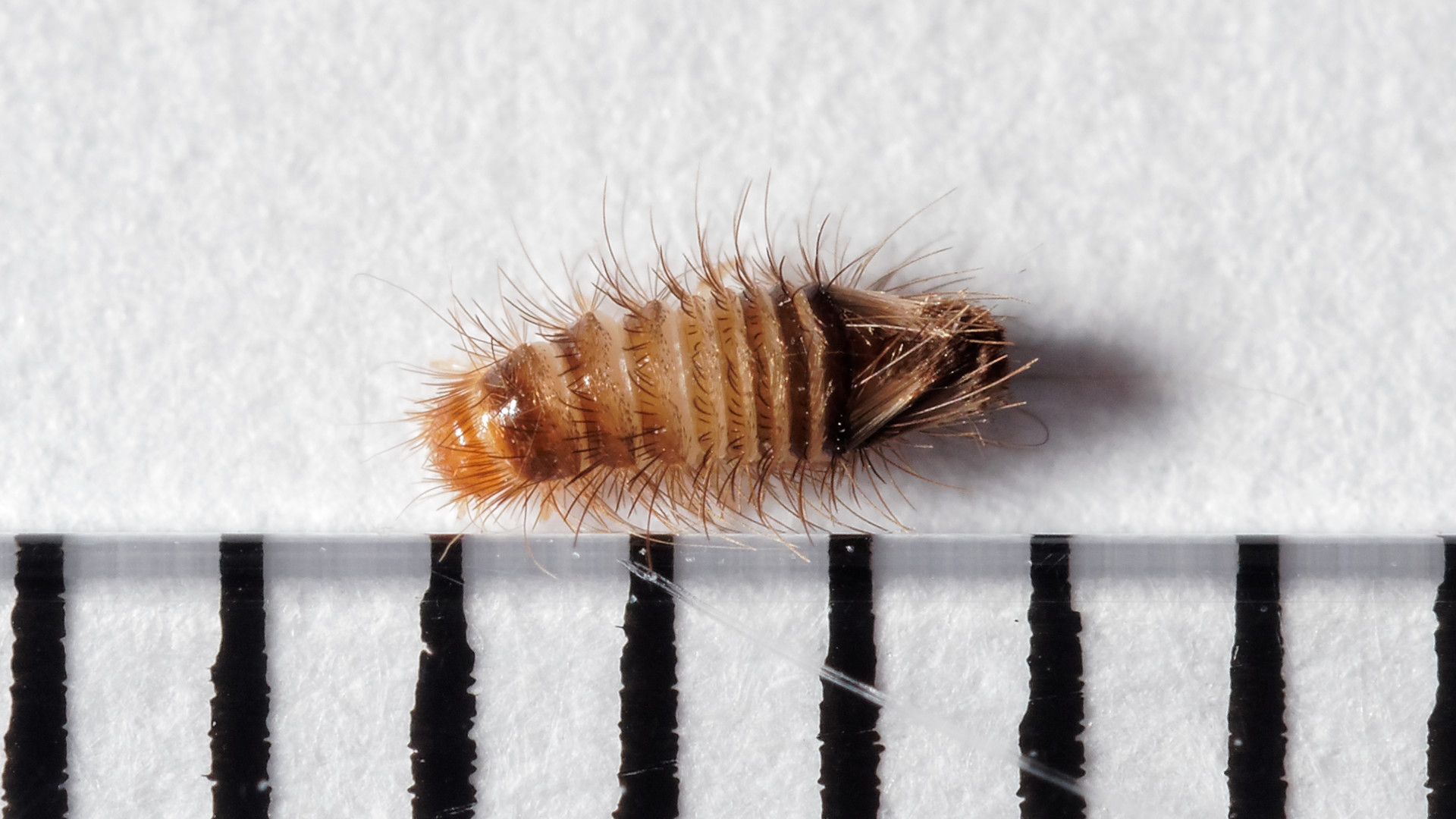

Why the larva matters: Carpet beetle larvae are the main feeding stage. They may leave irregular areas of fibre loss, shed skins and small faecal pellets. Unlike clothes moth larvae, carpet beetle larvae do not make the characteristic silk webbing associated with webbing clothes moths.
3. Clothes moths: another important threat to wool rugs
Two well-known textile moths are the webbing clothes moth (Tineola bisselliella) and the case-bearing clothes moth (Tinea pellionella). Their larvae feed on wool, fur, feathers and other suitable animal fibres. Silk may also be affected, particularly when soiled or contaminated.
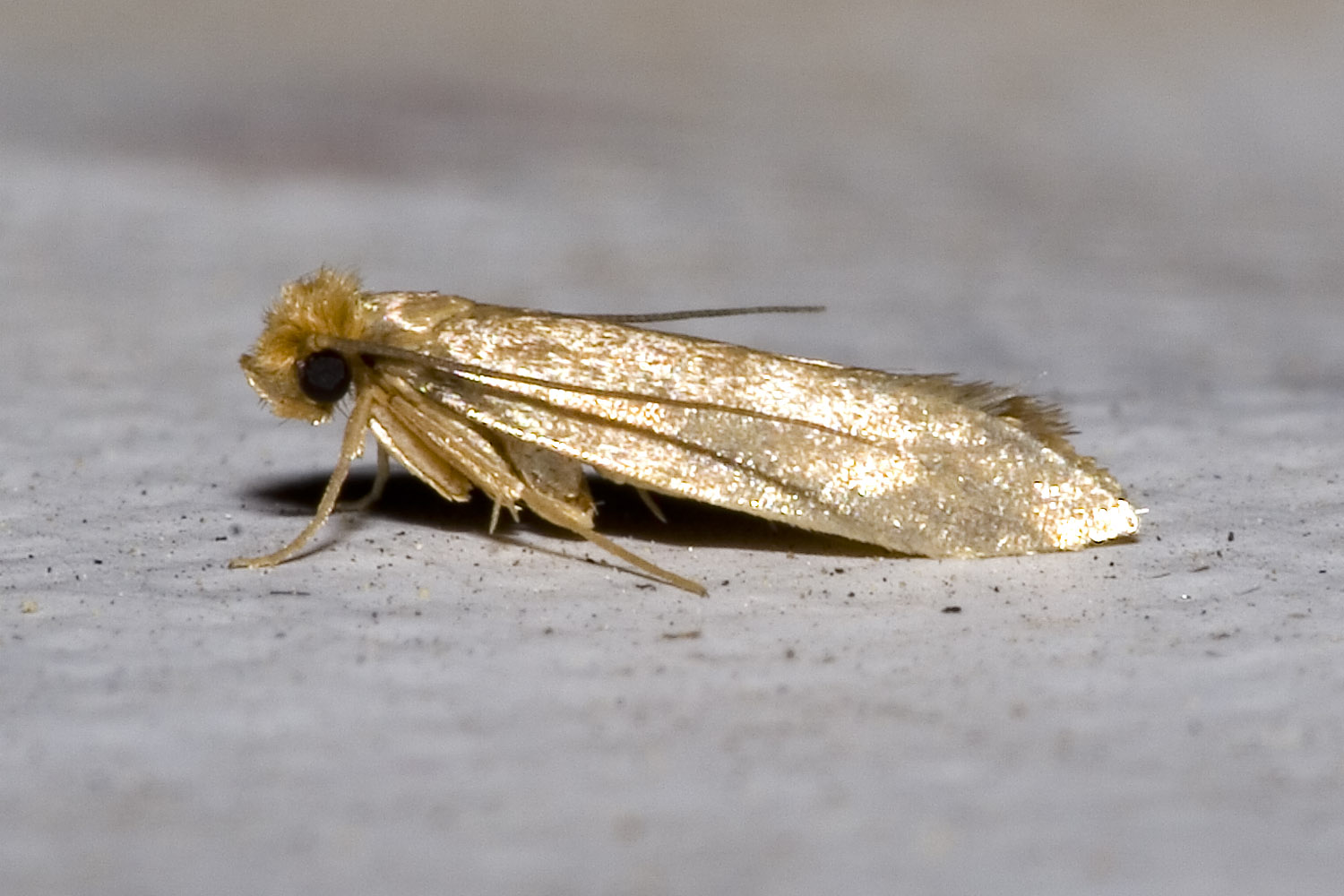

Signs can include irregular holes, thinned or grazed areas, silk webbing, feeding tubes, small cases and larvae hidden in folds or along carpet edges. Adult moths do not eat the carpet; the larvae cause the feeding damage.
4. How an infestation develops
Carpet beetles develop through four stages: egg, larva, pupa and adult. Adult females lay eggs near suitable food. The larvae hatch, feed and grow, shedding their skins as they develop. They later pupate and emerge as adults.
Development time varies by species and conditions. UC Agriculture and Natural Resources reports that, under its reference conditions, varied carpet beetle larvae may remain in that stage for approximately 220–630 days, while furniture carpet beetle larvae may take approximately 70–94 days. These are species-specific reference figures, not a prediction for every home.
This long and variable larval period helps explain why damage can remain unnoticed for an extended time. A single sighting of an adult beetle does not by itself prove that a carpet is infested; finding larvae, shed skins and feeding damage is stronger evidence of an active problem.
5. How pests damage a carpet
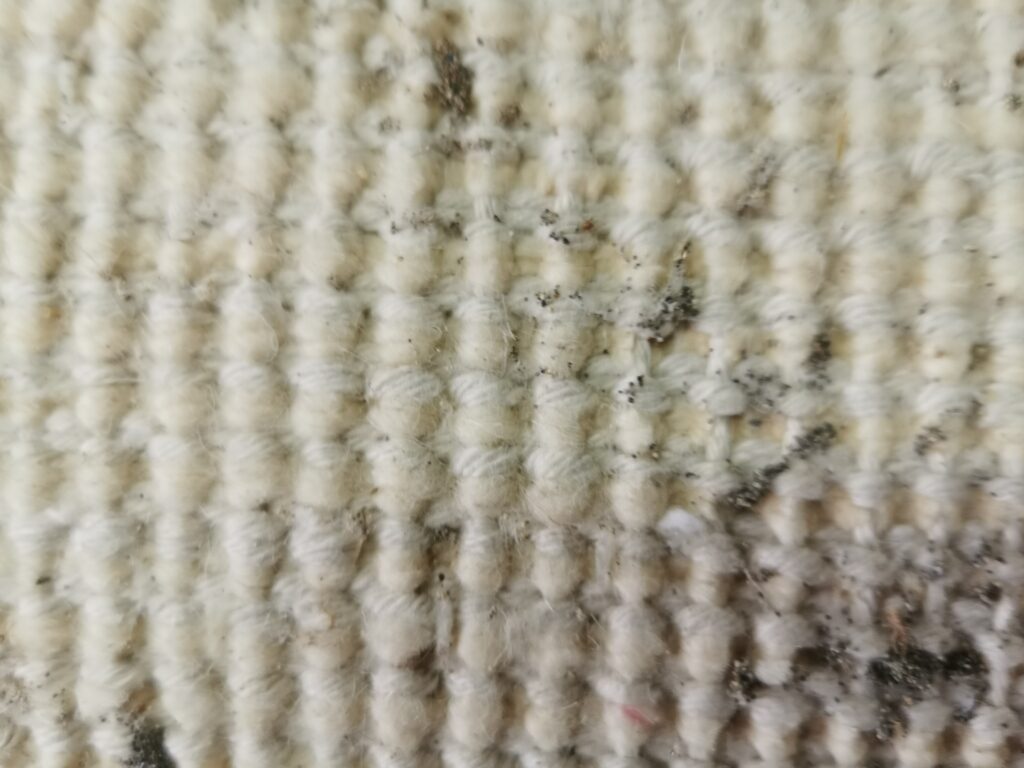

Feeding may begin as subtle thinning or grazed patches and progress to holes or substantial pile loss if the infestation continues. In a hand-knotted carpet, loss of pile can expose the underlying foundation and make the area more vulnerable to further wear.
- Loss of pile: larvae feed on susceptible wool fibres, leaving thin or bare areas.
- Holes and irregular patches: continued feeding can remove enough fibre to create visible damage.
- Edge and fringe deterioration: vulnerable fibres may be affected, although damage to a fringe alone does not identify the pest.
- Foundation exposure: severe pile loss can expose warp and weft yarns and compromise the carpet’s appearance and condition.
Not every hole is insect damage. Abrasion, pets, friction, previous repairs and other causes can produce similar signs. Correct identification is important before treatment or restoration is chosen.
6. Can pests spread from a carpet to other parts of the home?
Yes. If a carpet carries live eggs or larvae, it may introduce a textile pest into a new environment. Once present, suitable pests can also be found in other food sources around a property. Carpet beetles may also enter independently through open doors and windows, on flowers or from sources such as bird nests.
Depending on the species and available materials, vulnerable household items can include:
- Other wool carpets, rugs and blankets.
- Woollen clothing and stored garments.
- Silk textiles and susceptible upholstery.
- Fur, leather, feathers and other animal-derived materials.
- Natural-fibre items kept in cupboards, storage rooms and under furniture.
These insects do not attack every material in a home. Their ability to cause damage depends on the species, fibre type, contamination, access to food and environmental conditions.
7. Do carpet pests damage wooden floors or the structure of a house?
Carpet beetles and clothes moths do not eat structural timber. Their larvae may hide in dust, lint and protected gaps around skirting boards or beneath furniture, but this is not wood destruction.
Termites and wood-boring beetles are separate pests that can damage timber, flooring, furniture and structural components. Their presence should be assessed independently. Finding a textile pest beneath a rug does not prove that the building has a termite or wood-borer infestation.
8. Why buyers should be cautious about unusually cheap carpets
A low price is not proof of poor quality or infestation. However, buyers should ask more questions when the carpet has an unknown history, has been stored for a long time or cannot be properly inspected.
Potential warning signs include:
- Unknown or unsuitable storage conditions.
- Visible larvae, shed skins, webbing or repeated insect activity.
- Irregular fibre loss or unexplained holes.
- Repairs that may conceal earlier damage.
- Dampness, mould or an unexplained musty smell.
- No opportunity to inspect the reverse, edges and fringes.
The right decision should be based on the carpet’s materials, construction, condition, storage history and inspection—not price alone. A responsible seller should be willing to answer questions and allow a proper examination.
9. How to inspect a carpet before bringing it home
Do not inspect only the visible pile. Examine the reverse, edges, corners, folds and fringes. Look for live larvae, shed skins, webbing, feeding marks, debris, dampness and mould. Ask about storage and any previous pest treatment.
A visual inspection can identify warning signs, but it cannot guarantee that every egg or concealed larva has been detected. If suspicious evidence is found, the carpet should be isolated and assessed by an appropriately qualified pest-management professional or textile specialist before being placed with other rugs and textiles.
10. What to do if you suspect an infested carpet
- Keep the suspect rug separate from other natural-fibre items.
- Avoid shaking it indoors, which may spread debris or insects.
- Photograph the insect or damage for identification.
- Inspect nearby rugs, clothing, upholstery and storage areas.
- Arrange professional identification and treatment advice.
- Choose a treatment compatible with the carpet’s fibres, dyes and construction.
- Monitor the area afterwards for further activity.
Do not apply ordinary household insecticide indiscriminately to a valuable Persian rug. An unsuitable product or treatment can damage dyes and fibres and may fail to reach concealed life stages. Antique and valuable carpets may require advice from a textile conservator as well as a pest-management professional.
11. Our commitment to carpet inspection
At Premium Persian Carpets, we understand that purchasing a carpet is about more than choosing a pattern or finding an attractive price. It is also about confidence in the condition of the piece you bring into your home.
Carpet inspection is part of our business procedures and our commitment to customer care. We take the condition of our carpets seriously and pay attention to signs that may require further assessment, including visible damage, deterioration and potential pest activity.
Where a concern is identified, it should be investigated and addressed appropriately before the carpet is supplied. No visual inspection can guarantee the absence of every concealed egg or insect, but careful inspection and responsible handling are important steps in reducing risk.
12. Protect your home. Choose with confidence.
A carpet can bring warmth, character and lasting beauty to a home. But when buying a natural-fibre rug, it is important to look beyond its appearance and price.
Some textile pests can damage wool carpets and spread to other susceptible household belongings. Early identification, careful inspection and appropriate professional treatment can help prevent a small problem from becoming a larger one.
Buy with knowledge. Inspect with care. Protect what matters.
Every rug has a story. A thread, a tale, a legacy.
Premium Persian Carpets