
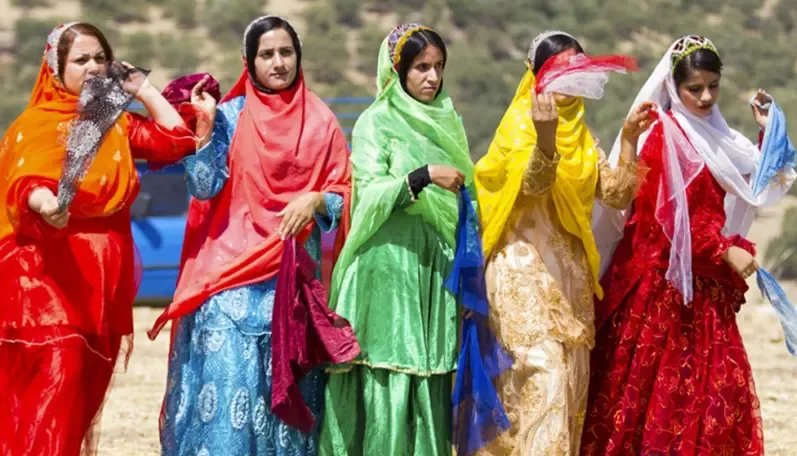
Bakhtiari rug story
Bakhtiari Rugs: A Tapestry of Tribal Heritage and Enduring Beauty Nestled in the southwestern mountains of Iran, the Bakhtiari people […]

Bakhtiari Rugs: A Tapestry of Tribal Heritage and Enduring Beauty Nestled in the southwestern mountains of Iran, the Bakhtiari people […]

Wool on cotton rugs are made using a weaving technique that combines wool fibers for the pile (the top fuzzy
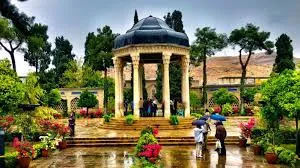
Shiraz rug story Shiraz, a city steeped in history and renowned for its poetry, gardens, and exquisite wines, also boasts
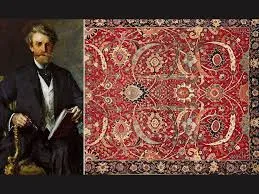
The Clark Sickle-Leaf Carpet is the most expensive Persian carpet ever sold, fetching $33.7 million at a 2013 Sotheby’s auction, far surpassing its $10 million estimate. Its value stems from its 17th-century rarity, unique sickle-leaf design, and historical significance, representing the legacy of Persian rug craftsmanship and artistry.
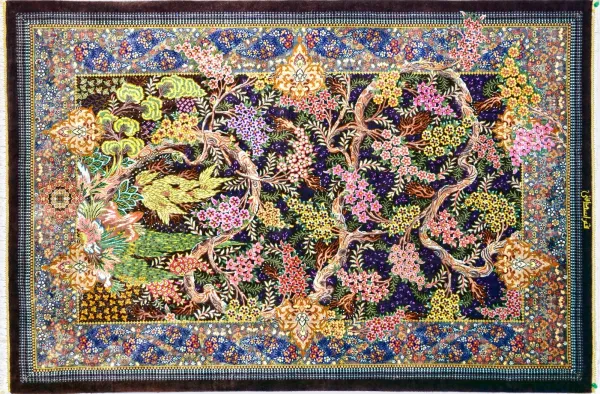
Qum rugs, originating from Qum, Iran, boast a rich history dating back to the 16th century. Initially wool-centric, silk production thrived under the Safavid dynasty, resulting in exquisite designs and high knot density. Valued for their luxurious materials and vibrant colors, these rugs symbolize Persian craftsmanship and cultural heritage, making them cherished heirlooms.

Premium Persian Carpets offers a fine selection of Persian and Oriental rugs, including mats, kilims, and runners. Their curated collection emphasizes superior quality, craftsmanship, and a range of styles. Located in Stellenbosch, they ensure timeless elegance for any space. Contact them online or visit their store for exquisite rug choices.

Persian rugs are expensive due to their hand-knotting artistry, heritage weaving techniques, high-quality natural materials, and intricate designs with deep symbolism. These rugs are luxurious, durable, collectible, and appreciate over time, representing valuable investments in aesthetics and cultural heritage. Tips for buying include research, budgeting, ensuring seller authenticity, and matching home decor.
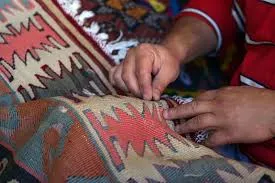
Kilims are ancient handwoven tapestries originating from the Persian Empire, including modern-day Iran and the Balkans. Dating back to the 4th century AD, these flat-woven rugs are renowned for their geometric patterns and cultural significance. Evolving over centuries, they remain a vibrant art form, with modern kilims blending traditional craftsmanship and contemporary design, celebrating a legacy that has gained global recognition.
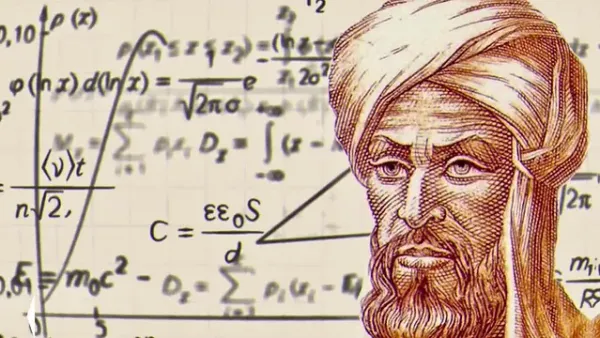
Al-Khwarizmi was a Persian polymath who made foundational contributions to mathematics by writing the seminal text on algebra, introducing the Hindu-Arabic numeral system to the West, and conceptualizing algorithms. He also advanced astronomy and geography, thus significantly impacting scientific progress during the Islamic Golden Age.